Inspection technology

Optical inspection of surface finishes

By automating the inspection, we eliminate the human error factor and thus increase the quality of the inspection. Our systems are based on a defined quality standard, whereby any deviation is reliably identified. With highly developed 3D surface inspections and precise dimensional checks, we guarantee an exact analysis of your components. Our systems also enable systematic defect classification and precise counting of components to ensure seamless quality analysis and documentation. This allows us to increase the efficiency of your inspection processes while reducing the time required for quality control.

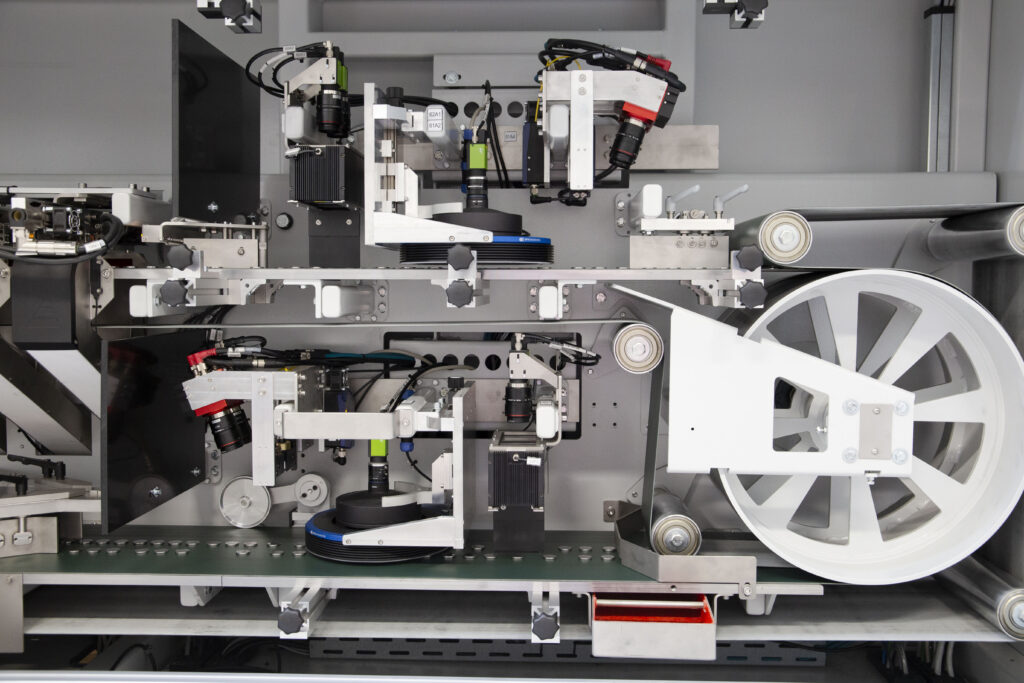
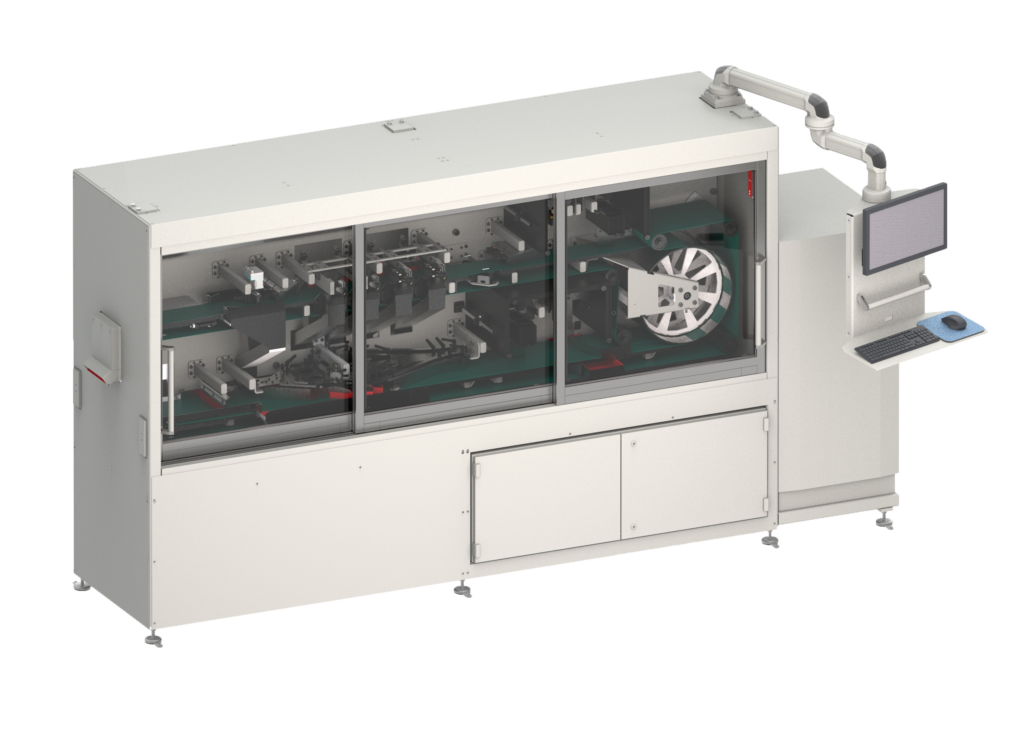
Interior view of an inspection technology system as a 3D model by Spaleck Oberflächentechnik

The principle of surface inspection

From handling and image acquisition to the final decision: our inspection systems inspect your workpiece surfaces in the blink of an eye – reliably, reproducibly and perfectly integrated into existing production processes.

The same requirements apply to visual inspection as to the human eye. It is important to describe the component, define the characteristics to be inspected and specify the tolerances.

The variety of components and the desired degree of automation make component handling crucial. Transport and precise positioning under the inspection tool are decisive for an optimal inspection result.

Image acquisition involves selecting the lighting and camera technology. The type and sensitivity of the components are determined in accordance with the previously defined test characteristics and tolerances.

Image analysis is performed by algorithms that process the data generated by image acquisition. These algorithms are integrated into the operating software used to control the system and define and store the inspection criteria.

The components are classified based on the set inspection parameters. The data can be stored and evaluated via an SQL database or transmitted to a higher-level system.

Tools

The right tool for your application

In addition to surface inspection and dimensional control, further sensors can be integrated into the system concepts if required.

2d camera technology

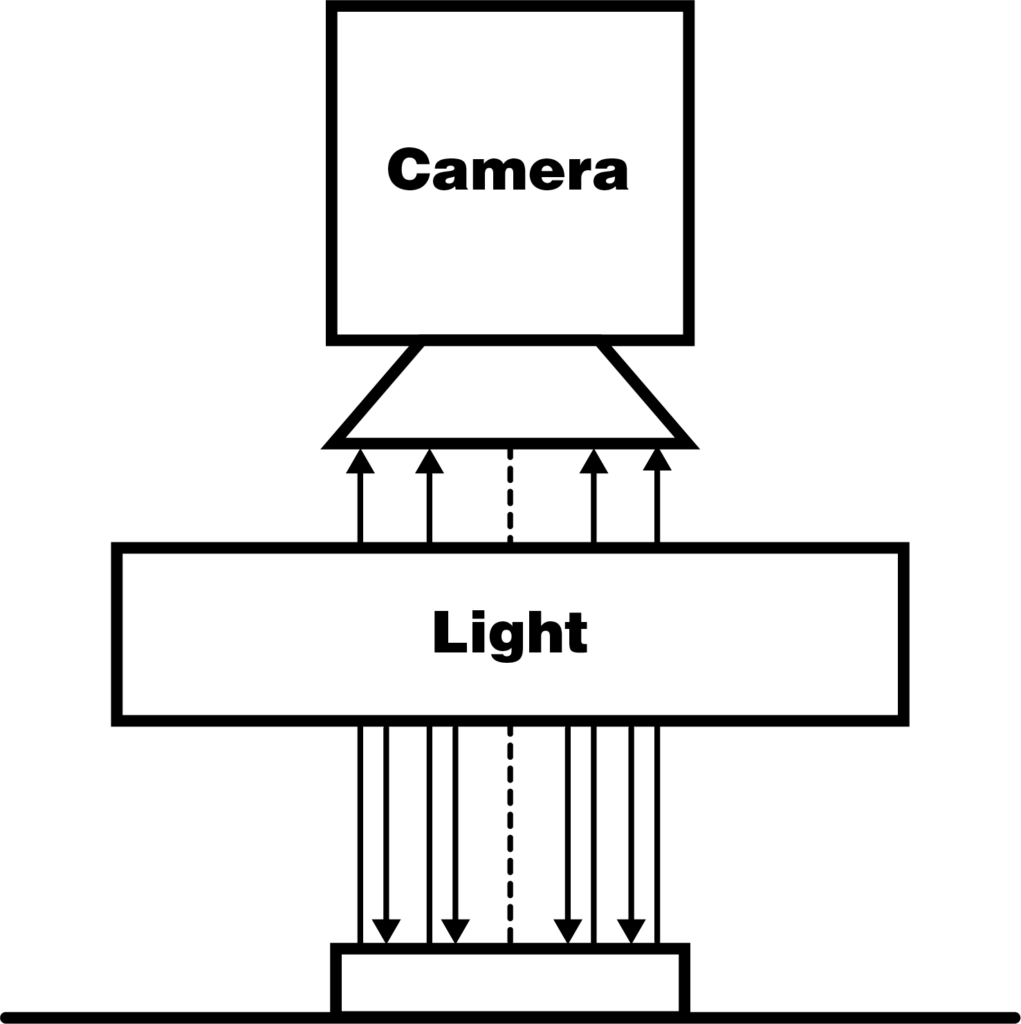
2D image capture is based on the principle of the human eye – light falls on an object, is reflected and captured by the eye. In our machines, artificial lighting is used to generate light beams that are reflected by the object and captured by the camera. The selection of the appropriate lighting and camera depends on the type of application. The following features can be checked using 2D camera technology:

  • Colours and colour variations
  • Stains
  • Damage and scratches
  • Batch mixing
  • Surface brilliance and texture
  • Burr on the profile of the objects
  • Labels
2D camera technology from inspection technology at Spaleck Oberflächentechnik

3D camera technology

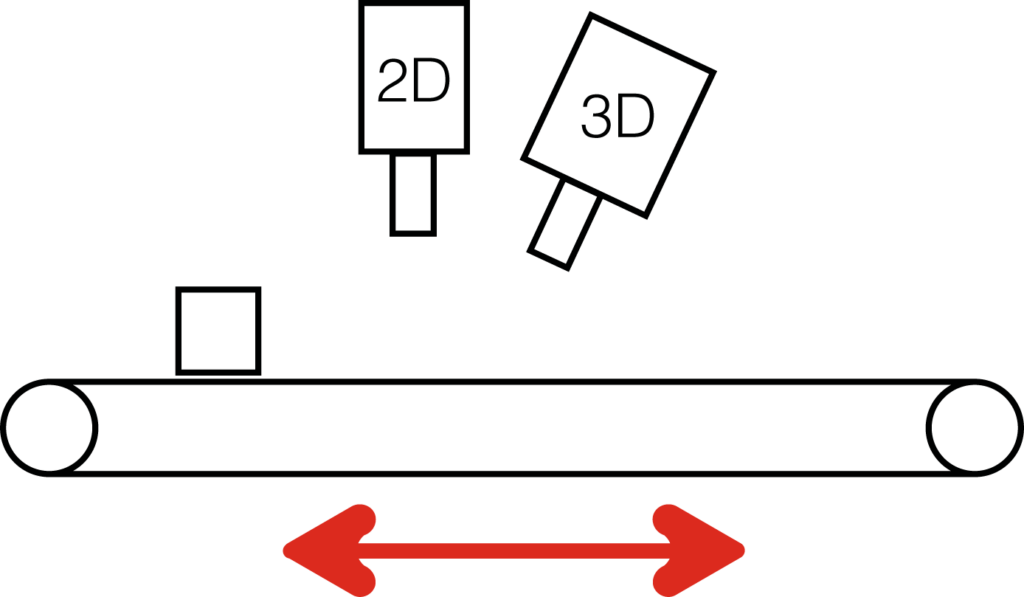
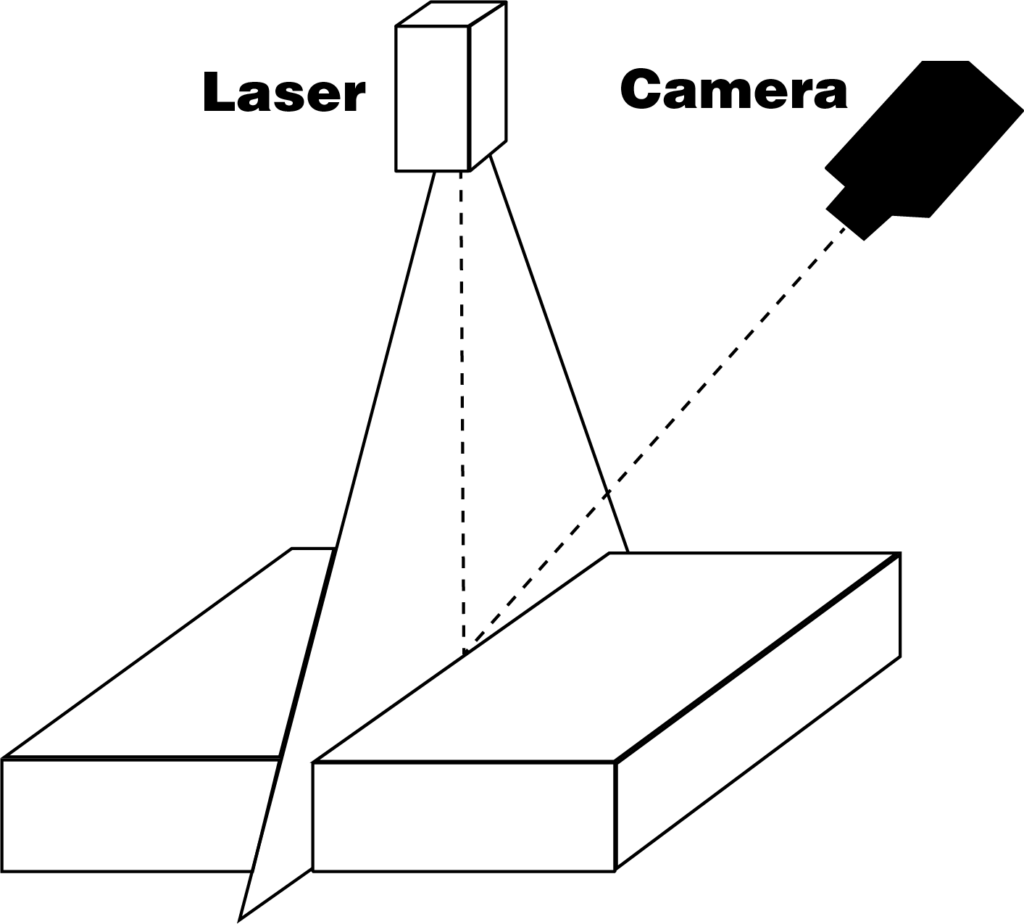
3D image capture picks up where 2D camera technology reaches its limits, particularly with regard to the depth of field of the images and the ability to detect differences in height. To create a height profile, the component is illuminated with a line laser. The laser beam is reflected and captured by a camera. The illumination of the line laser generates many cross-sectional images. This partial information about the component is assembled by the software to form a complete object.

The following characteristics can be checked using 3D camera technology:

  • Geometry and shape
  • Deflection of objects
  • Damage and scratches
  • Batch mixing
  • Blockages caused by foreign objects within e.g. boreholes
  • Labels
  • Embossing and textures
3D camera technology Graphic from the inspection technology of Spaleck Oberflächentechnik

2D camera technology for edge inspection

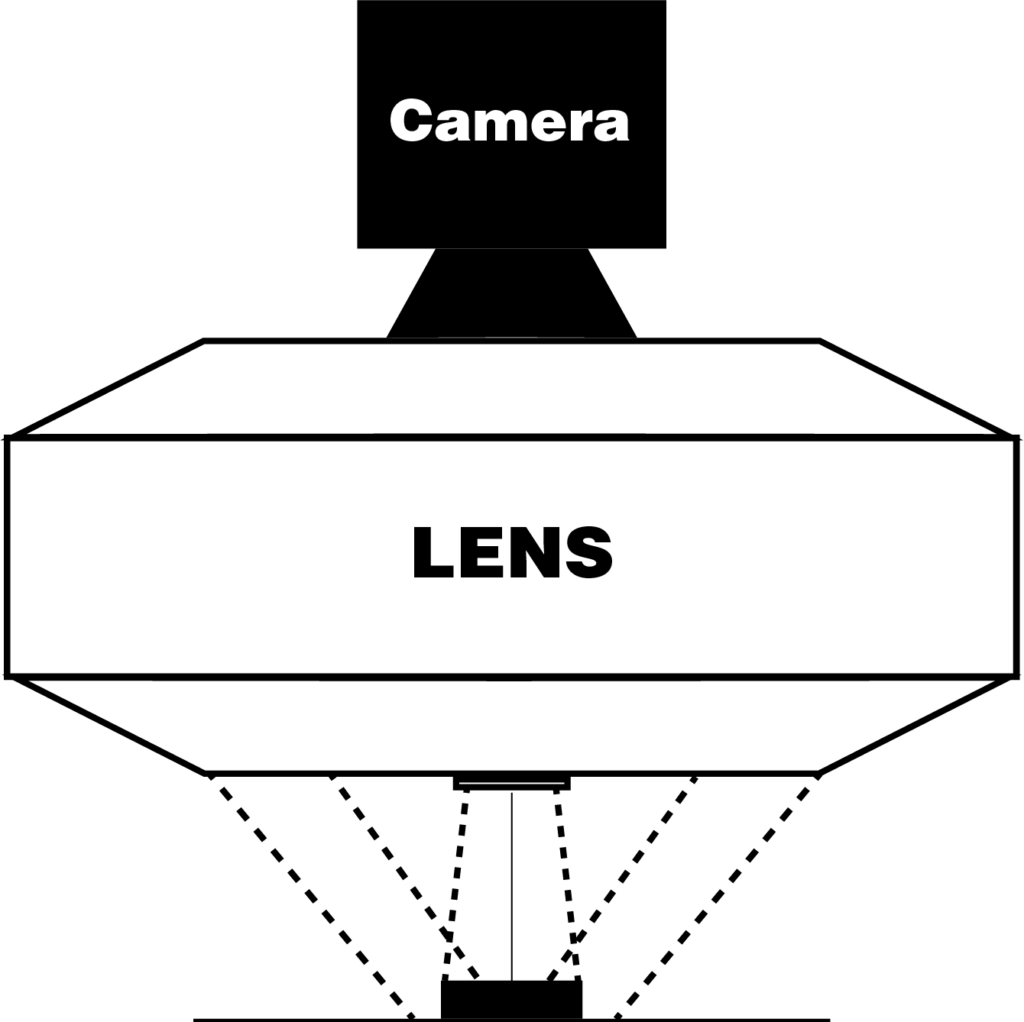
For geometric reasons, 2D and 3D camera technology only captures the top and bottom of an object, but not the edge surfaces. A special 2D camera in combination with a ring light and a catadioptric lens is used to inspect the edge surfaces.

The following features can be checked using 2D camera technology for edge inspection:

  • Damage/scratches
  • Batch mixing
  • Labelling errors
Edge inspection Graphic from the inspection technology of Spaleck Oberflächentechnik

Eddy current measurement

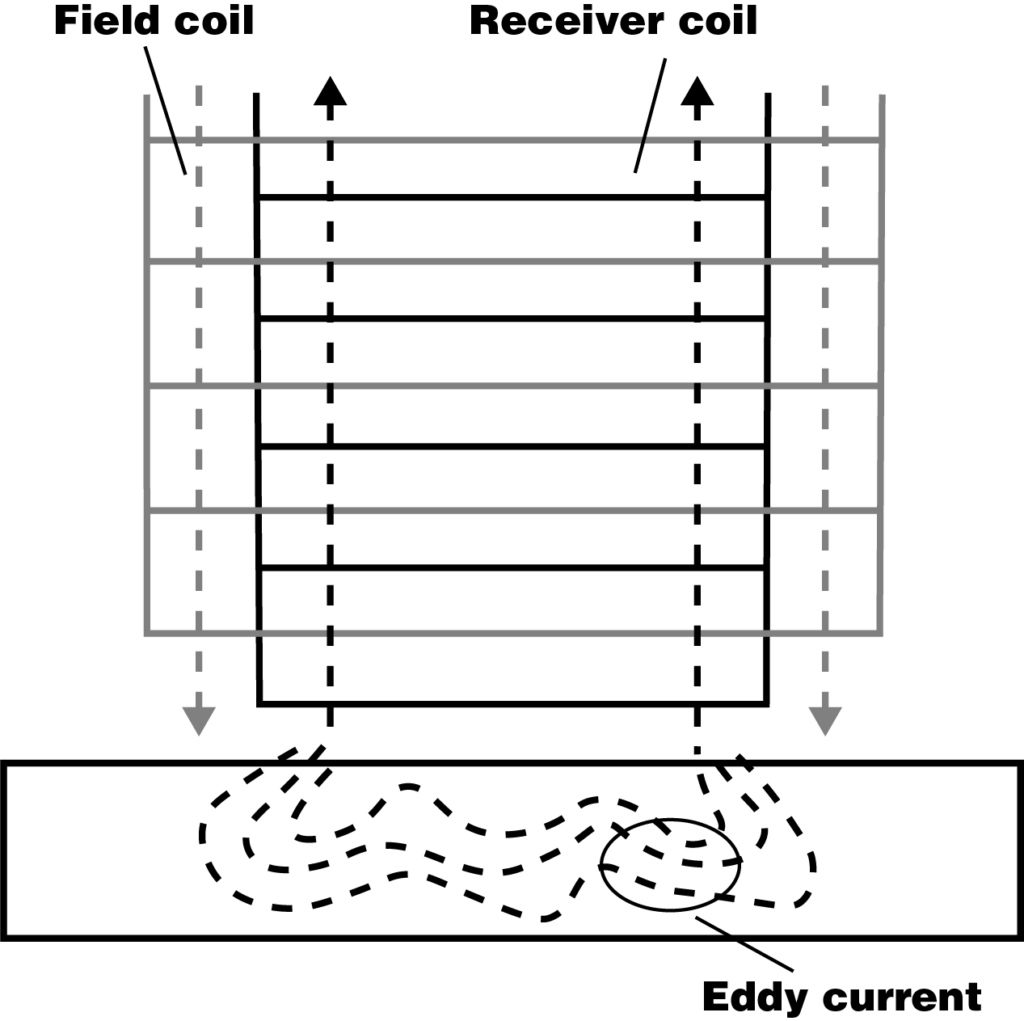
Eddy current measurement is a non-destructive method for testing metallic surfaces. With the aid of high-frequency electromagnetic interactions, different material hardnesses can be detected and analysed both manually and automatically. This method plays a crucial role in quality assurance, as it measures the mechanical resistance of a material to the penetration of another body.

Eddy current measurement diagram with receiver coil and excitation coil from the inspection technology of Spaleck Oberflächentechnik

EMS sensors

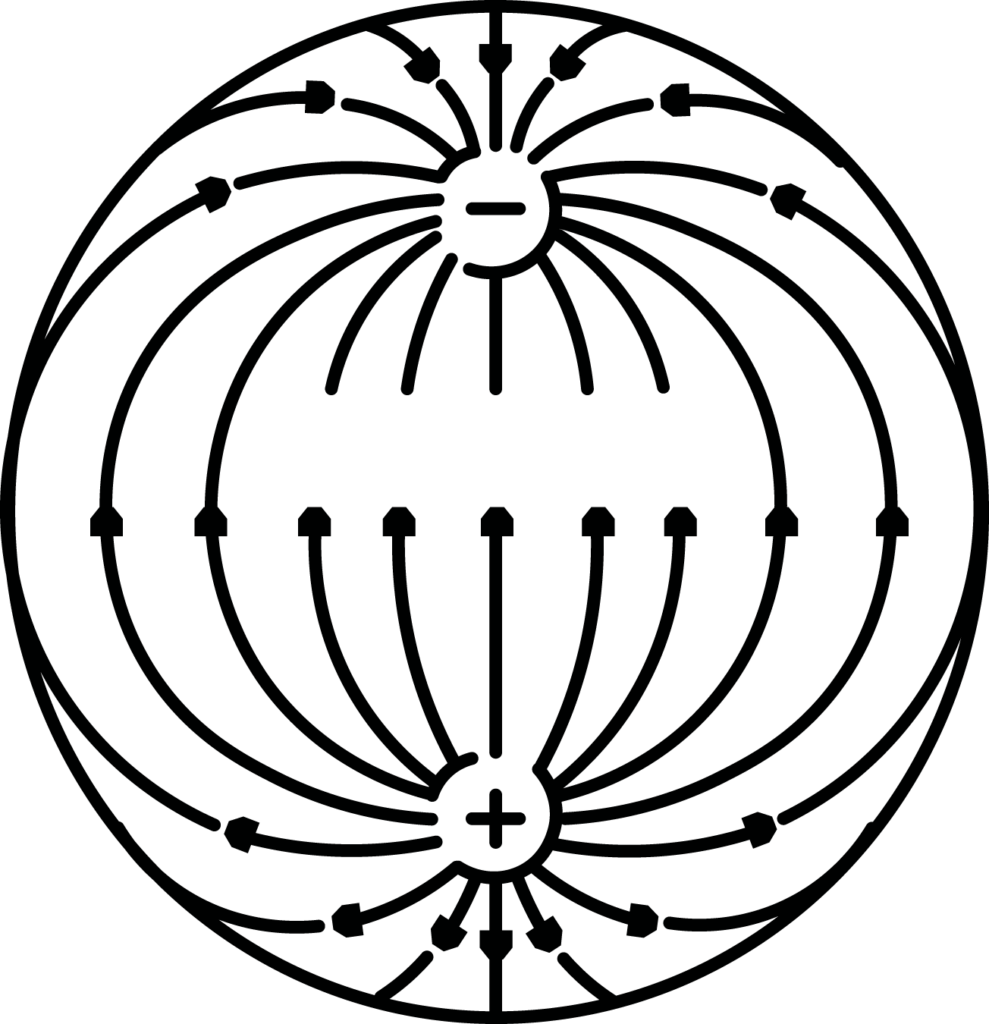
This measurement principle for checking electromagnetic signatures is now used worldwide in coin-operated machines. Inductive testing of coins or coin blanks provides information about the material composition and/or coating of the coin/blank. The measured values of the individual object are compared with a material database and, depending on the deviation from the references or the deviation defined as acceptable, are rated as good or bad.

EMS sensors Graphic from the inspection technology of Spaleck Oberflächentechnik
SIT 200 R inspection system for checking workpiece surfaces Inspection technology from Spaleck Oberflächentechnik

Inspection systems SIT

Our inspection systems check the surfaces of your workpieces according to defined quality standards – reliably, repeatably and precisely. They detect and classify surface defects such as scratches, cracks or contamination. In addition, they enable precise dimensional checks and counting functions – fully automatically and in real time. This provides you with complete documentation of the quality status of your products, which is particularly important in series production or safety-critical applications.

Handling

Handling examples

Example 1: Coin Blank

  • Dimensions: slide 10-35 mm, thickness 1 – 3.5 mm
  • Material: all coin materials
  • Features: stains, colour differences, damage, deformation
  • Tools: 2D and 3D inspection, edge inspection and/or EMS sensor optional
  • Inspected pages: 2
  • Degree of automation: high
  • Speed: up to 3000 pcs/min at dia. 20 mm
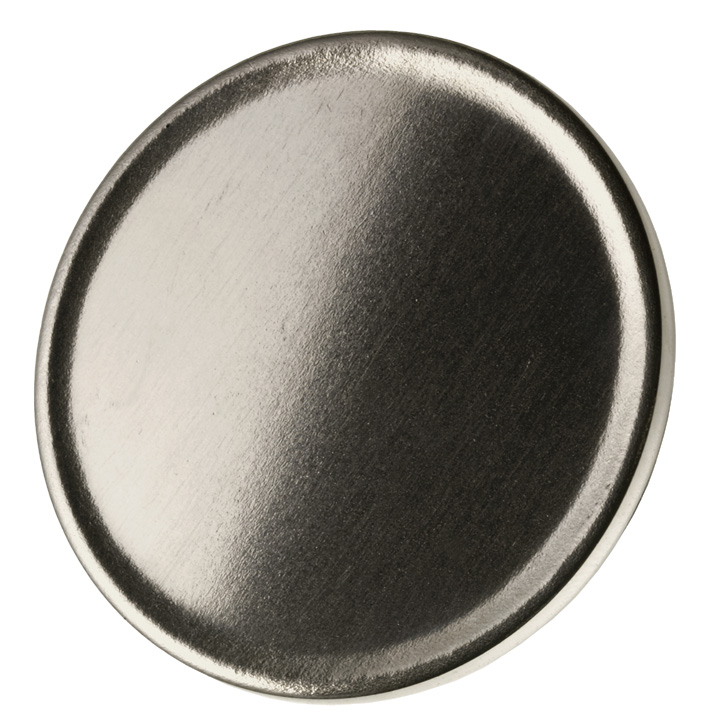
Coin blank SIT inspection technology from Spaleck Oberflächentechnik
Münzronde Spaleck Oberflächentechnik
  • Dimensions: Slide 10-35 mm, thickness 1 – 3.5 mm
  • Material: all coin materials
  • Features: Outer and inner diameter, contingency, material thickness, inner and outer chamfer, surface defects
  • Tools: 2D and 3D camera technology, optional 2D camera technology for edge inspection and/or EMS sensor
  • Inspected pages: 2
  • Degree of automation: high
  • Speed: up to 2000 pcs/min at dia. 20 mm
Coins Medal Inspection Technology Diagram by Spaleck Surface Technology
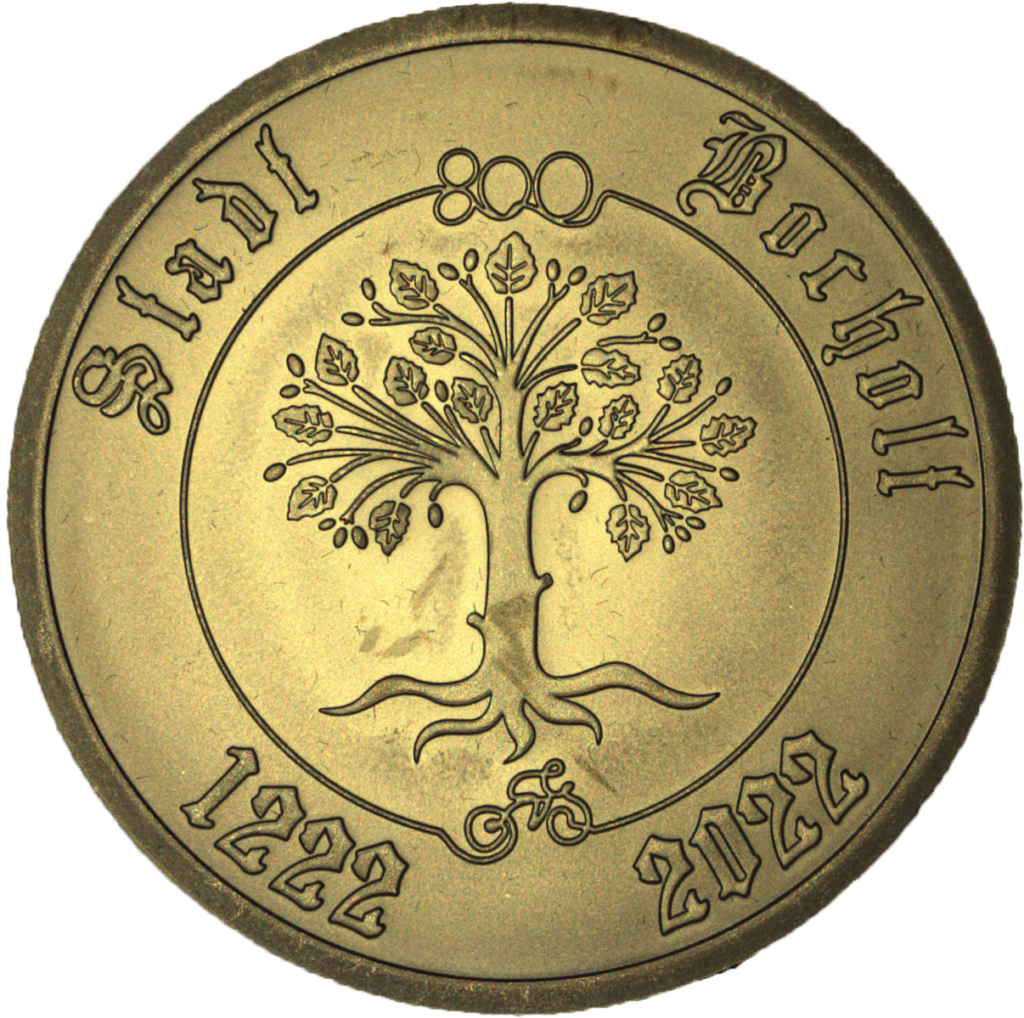
Bocholt Taler 800th anniversary, City of Bocholt 1222 to 2022
  • Dimensions: Slide 20-80 mm, height 30-80 mm
  • Material: tool steel
  • Features: Stains, colour differences, damage, relief defects
  • Tools: 2D and 3D camera technology
  • Inspected pages: 1
  • Degree of automation: low
  • Speed: manual parts handling
SIT scheme Inspection of workpieces such as stamps at Spaleck Oberflächentechnik
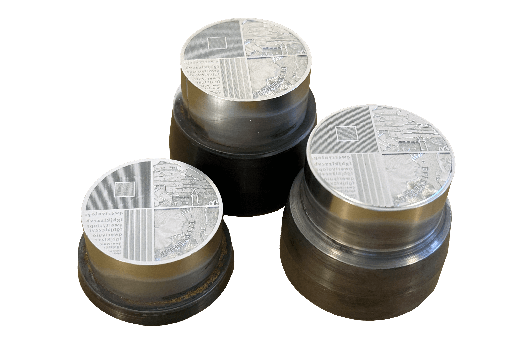
Stamp from sketch by Spaleck Oberflächentechnik
  • Dimensions: Slide 8-40 mm, strength 1-4 mm
  • Material: carbon steel
  • Features: Outer and inner diameter, concentricity, material thickness, inner and outer chamfer, surface defects
  • Tools: 2D and 3D camera technology
  • Inspected pages: 2
  • Degree of automation: high
  • Speed: 1600 pcs/min
Top view sketch of an inspection system for bulk goods at Spaleck Oberflächentechnik
  • Dimensions: Length 11.9 – 15.7 mm, width 6.9 – 8.7 mm
  • Material: Steel (hardened)
  • Strength: 1.2 – 2.2 mm
  • Features: Length, width, material thickness, surface defects
  • Tools: 3D camera technology
  • Inspected pages: 1
  • Degree of automation: high
  • Speed: 422.000 pcs/70 min.
Top view sketch of an inspection system for bulk goods at Spaleck Oberflächentechnik
  • Dimensions: Length 24.4 – 24.75 mm, width 11.7 – 15.7 mm
  • Material: Steel (hardened), stainless steel (soft)
  • Strength: 1.5 – 1.75 mm
  • Features: Length, width, material thickness, surface defects, material hardness
  • Tools: 3D camera technology, eddy current technology
  • Inspected pages: 1
  • Degree of automation: high
  • Speed: 960 pcs/min.
Diagram of eddy current testing at Spaleck Oberflächentechnik

Inspection technology for maximum precision

Our proprietary software platform has been specially developed for flexible customisation to different inspection tasks. It enables differentiated defect classification, the integration of individual inspection parameters and comprehensive statistical analysis of the results. This allows trends to be recognised, process deviations to be identified at an early stage and quality data to be analysed in a targeted manner.

Customised material handling

The workpieces are transported, fed and handled using customised handling systems developed by our own mechanical engineering department. These are optimised to meet the requirements of the inspection technology used – from the cycle time and alignment of the components to seamless integration into existing production lines.

Do you have any questions?

Your contacts for inspection technology

Mitarbeiter und Ansprechpartner im Vertrieb Thomas Tekolf bei Spaleck Oberflächentechnik

Thomas Tekolf

Sales Coordinator
Vice director
Mitarbeiter und Ansprechpartner im Vertrieb David Huls bei Spaleck Oberflächentechnik

David Huls

Sales
Die casting and AM
Mitarbeiter und Ansprechpartner im Vertrieb Janlucas Weiding bei Spaleck Oberflächentechnik

Janlucas Weidig

Sales
Precision stamped parts
Mitarbeiter und Ansprechpartner im Vertrieb Thomas Hogenkamp bei Spaleck Oberflächentechnik

Thomas Hogenkamp

Sales strategy
Vice director
Mitarbeiter und Ansprechpartner im Vertrieb Ingo Loeken bei Spaleck Oberflächentechnik

Ingo Löken

Sales
Mint industry
Mitarbeiter und Ansprechpartner Marko Hoeland im Vertrieb bei Spaleck Oberflächentechnik

Marko Höland

Sales
Field Sales
Inspection technology

FAQ

Depending on the tools used in the inspection system, the following properties can be checked, among others:

  • Colours and colour variations
  • Stains, damage, and scratches
  • Batch mix-ups
  • Surface brilliance and texture
  • Burr on the profile of the objects
  • Labels
  • Geometry and shape
  • Deflection of objects
  • Jamming of foreign parts, e.g. inside bores
  • Embossing and textures
  • Material hardness
  • Electromagnetic structure

Inspection technology is used to check the quality of components reliably, efficiently and automatically. The use of modern inspection systems eliminates the human error factor, ensuring a consistently high standard of quality. The technology precisely detects deviations from defined target values – for example, through 3D surface inspections or dimensional checks – and enables systematic error classification and accurate component counting.

Surface inspection is a quality control process in which the external properties of workpieces or products are systematically checked. The aim is to detect irregularities such as scratches, cracks, dents, contamination or dimensional deviations at an early stage. Modern surface inspection systems are often automated and use technologies such as cameras or sensors to reliably identify even the smallest defects. Inspection ensures that components meet defined quality standards and are suitable for further processing or direct use. It is therefore a central component of industrial manufacturing and contributes significantly to process reliability and product quality.