Customer support

Customer support

You can count on us

icon blau kundensupport technikum Spaleck Oberflächentechnik

Technical center

icon blau kundensupport projektmanagement Spaleck Oberflächentechnik

Project management

icon blau after sales Spaleck Oberflächentechnik

After sales service

Technical center

In our modern technical centre, we work with you to develop the optimum solution for your application. We have various machines, abrasive media and compounds at our disposal to test and compare processes in a practical environment. Our experts develop customised concepts for processing your workpieces – including efficient process water management. We also provide you with detailed training on your future system so that you can work with it safely and confidently. Benefit from our comprehensive expertise for consistently reliable machining results.

Project management

Our project management is designed for efficiency, clarity and adherence to deadlines. With in-depth experience in customised machine construction, we also implement complex customer requirements with precision. We coordinate technical details closely with you, visit you on site and adapt our solutions flexibly to your circumstances. Internal processes are closely coordinated and we always keep an eye on deadlines and milestones. The result is a seamless project – from planning to final commissioning.


After sales service

We remain at your side even after your system has been commissioned. Our services range from professional commissioning, maintenance and UVV inspections to refitting older systems. With a maintenance contract, you benefit from regular checks and fast response times. If a repair is necessary, we provide spare parts quickly and find a sustainable solution. Our goal: maximum availability and longevity of your system – with a service you can rely on.

Do you have any questions?

Your contacts in customer support

Mechanical engineering

Ansprechpartner und Mitarbeiter im Kundensupport für Service Klemens Nienhaus bei Spaleck Oberflächentechnik
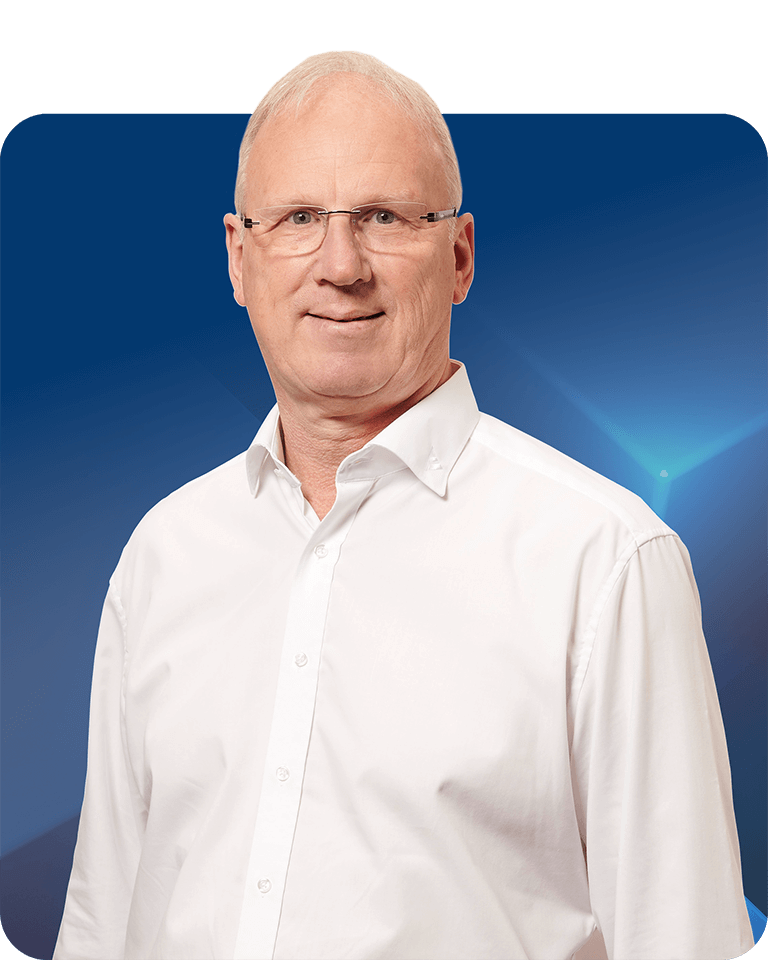
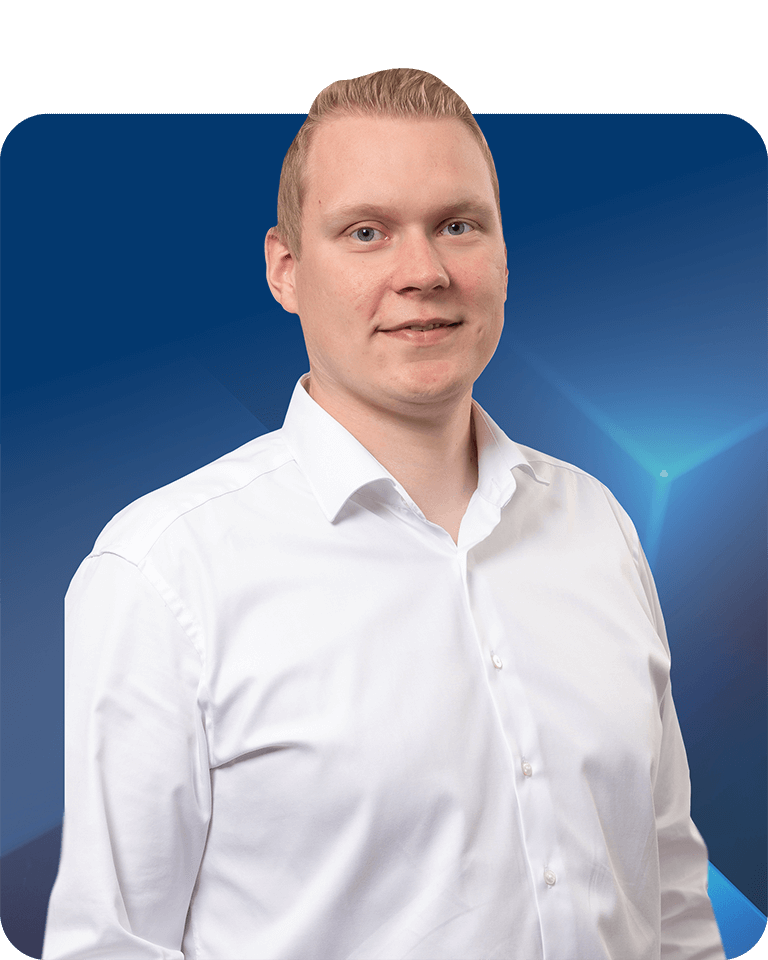
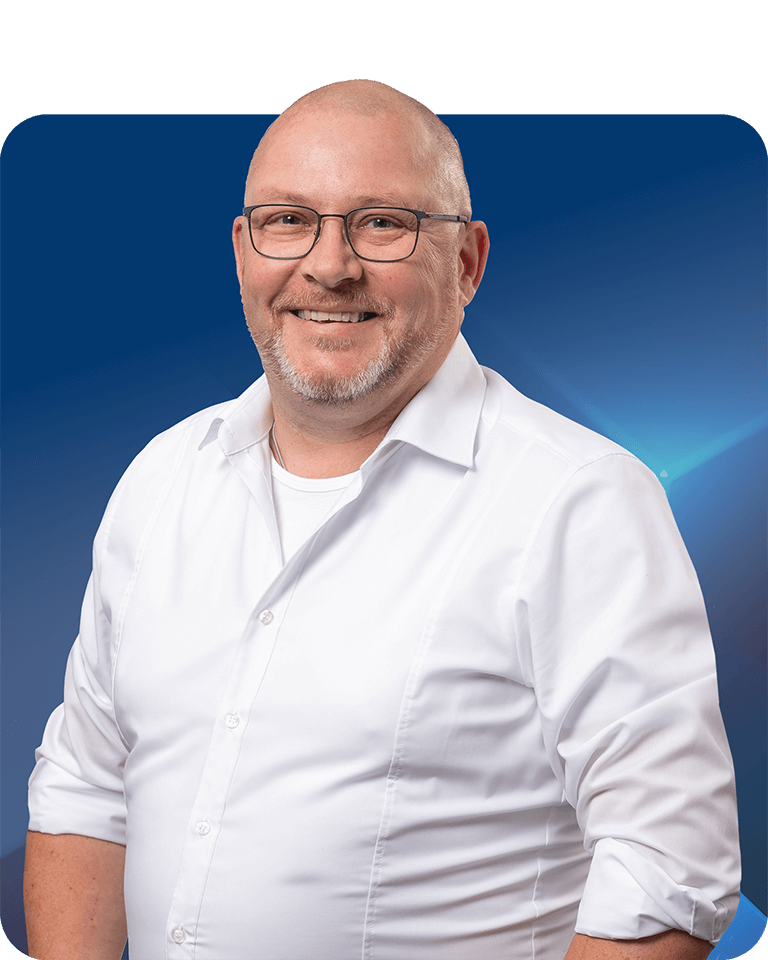
Klemens Nienhaus
Head of Customer Support, Project Management
Mitarbeiter und Ansprechpartner im Service Guido Tepasse bei spaleck oberflächentechnik
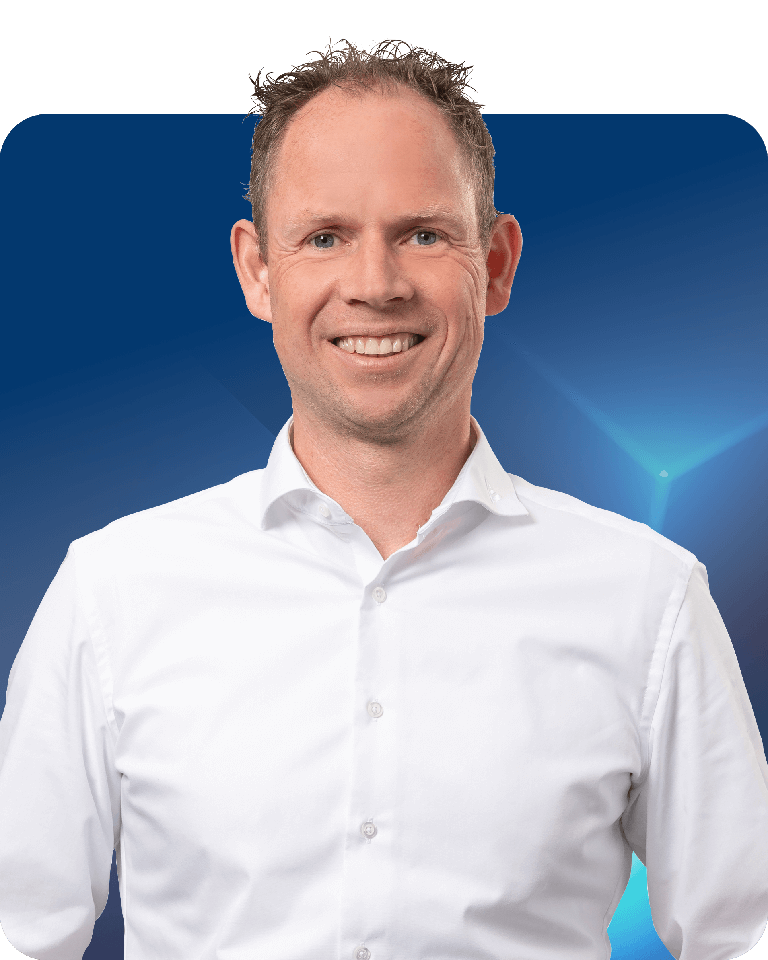
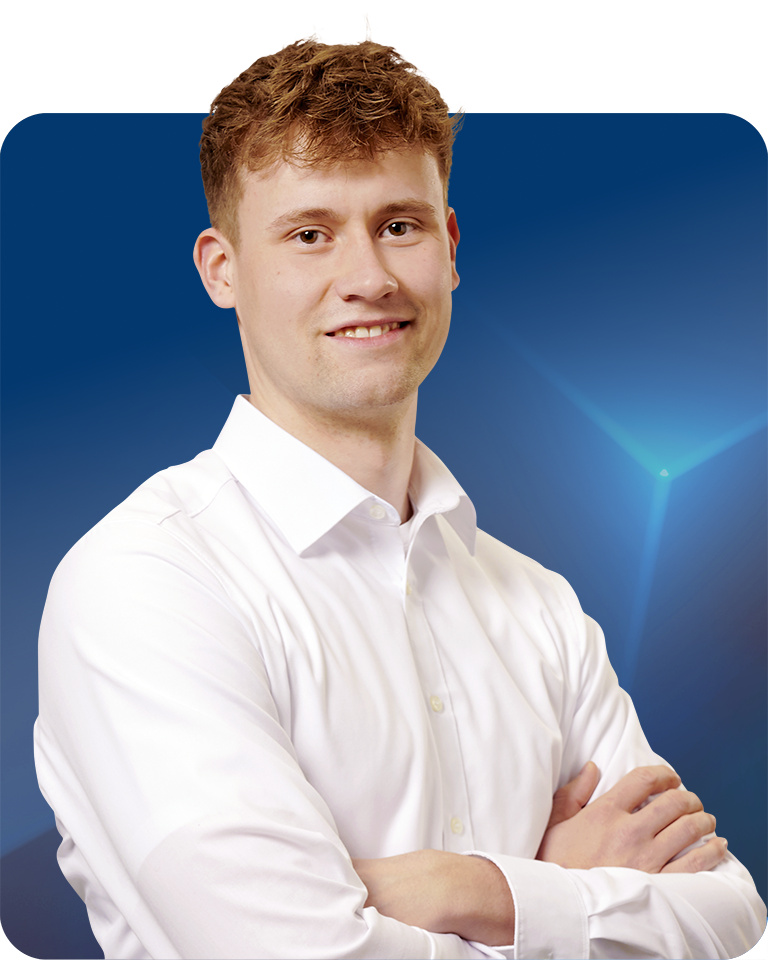
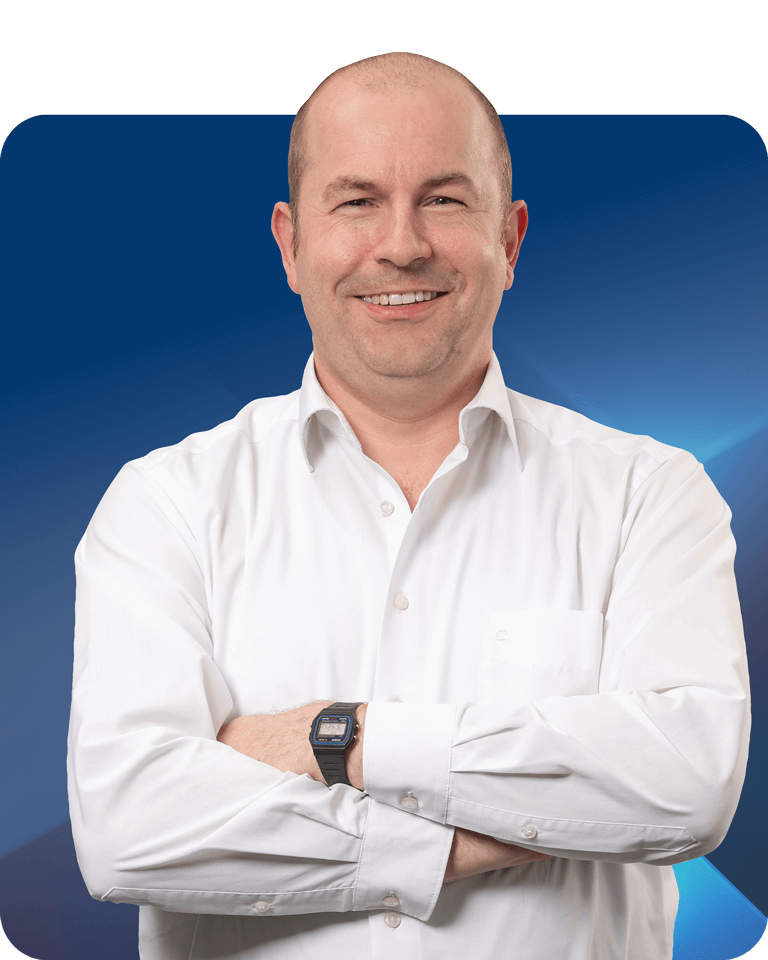
Guido Tepasse
Project management
Ansprechpartner im Service Ludger Tepasse bei Spaleck Oberflächentechnik
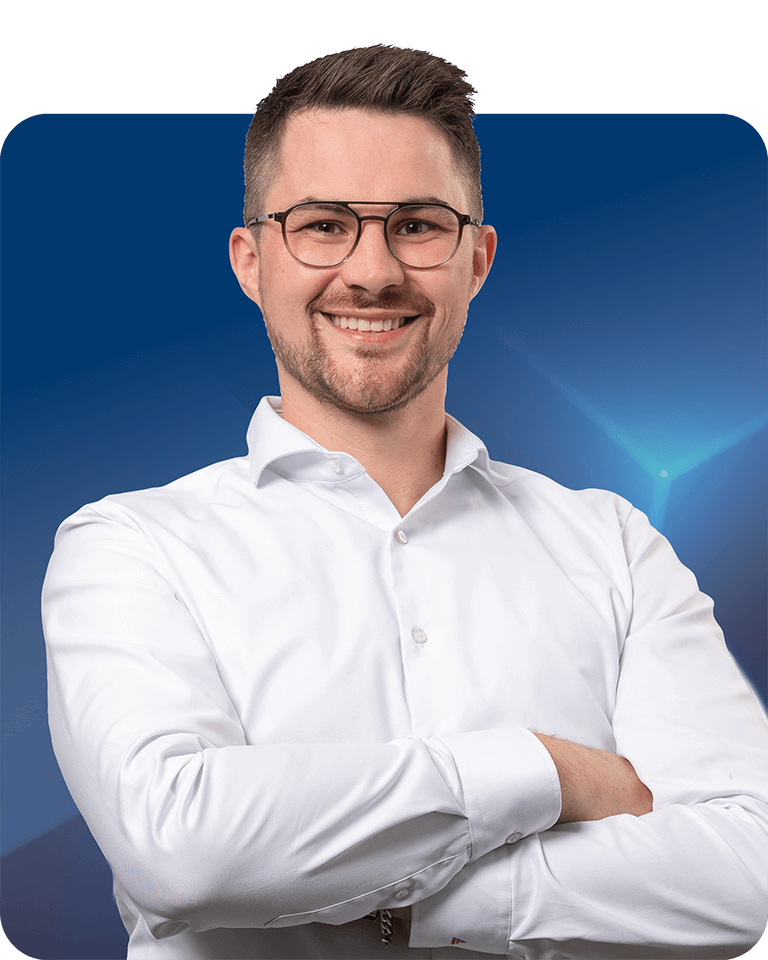
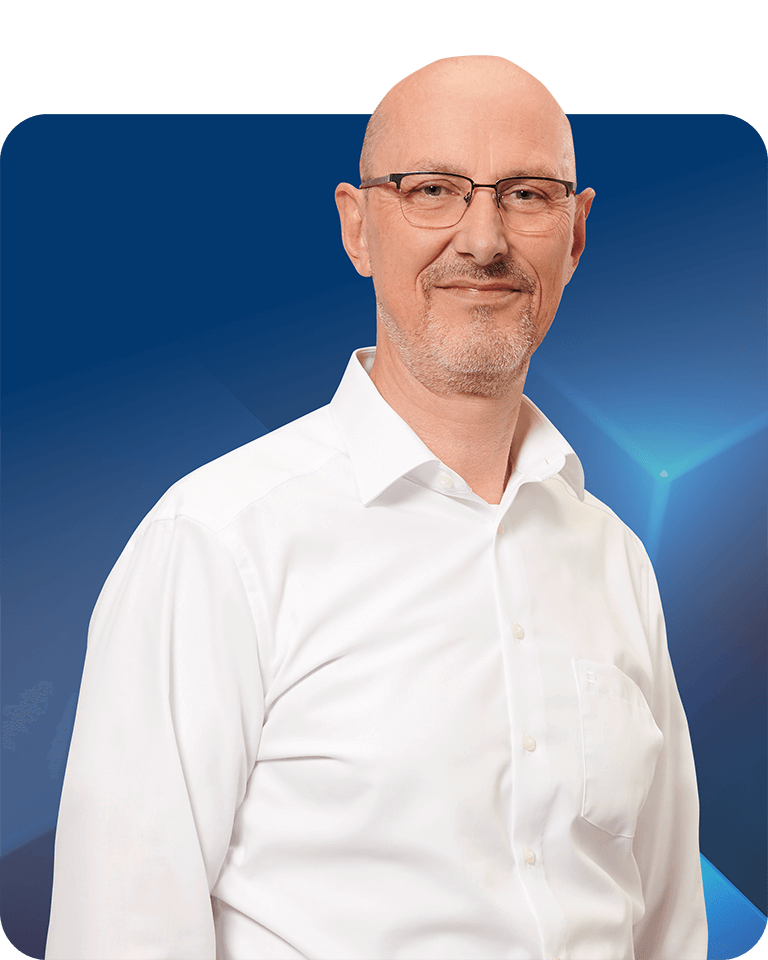
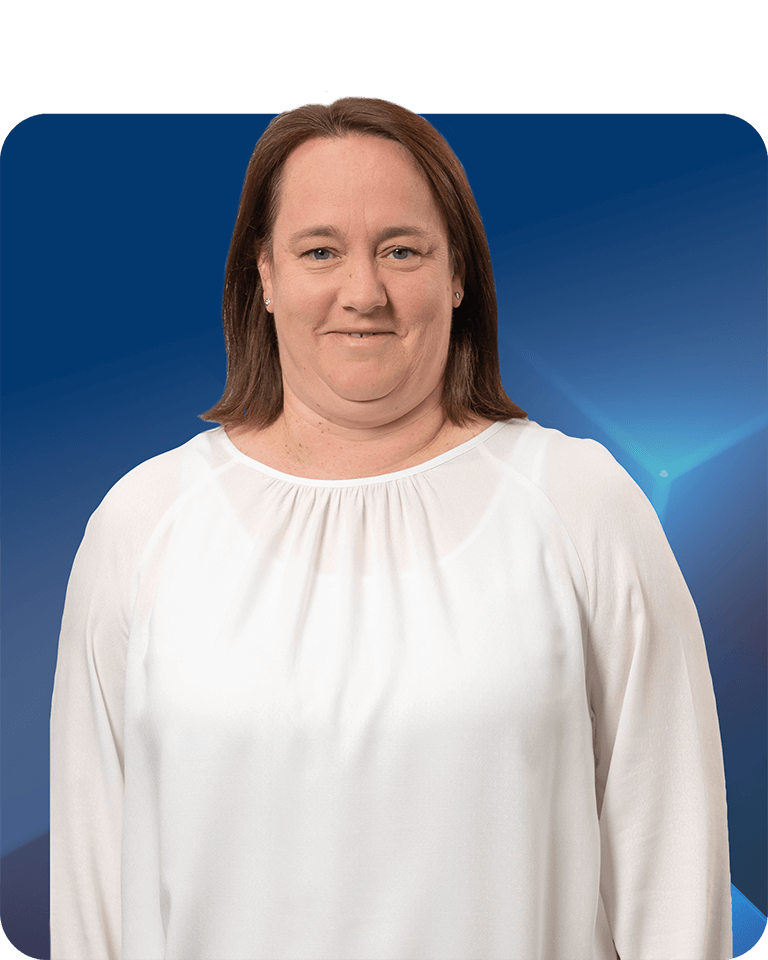
Ludger Tepasse
Project management
Mitarbeiter Nico Richter aus dem Kundensupport
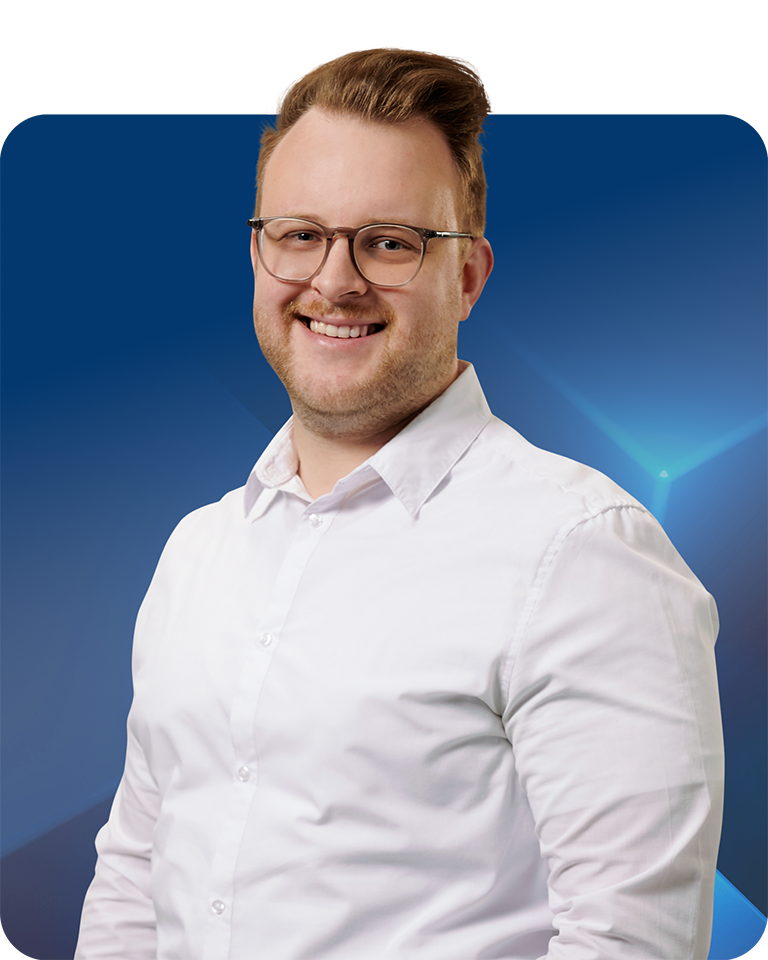
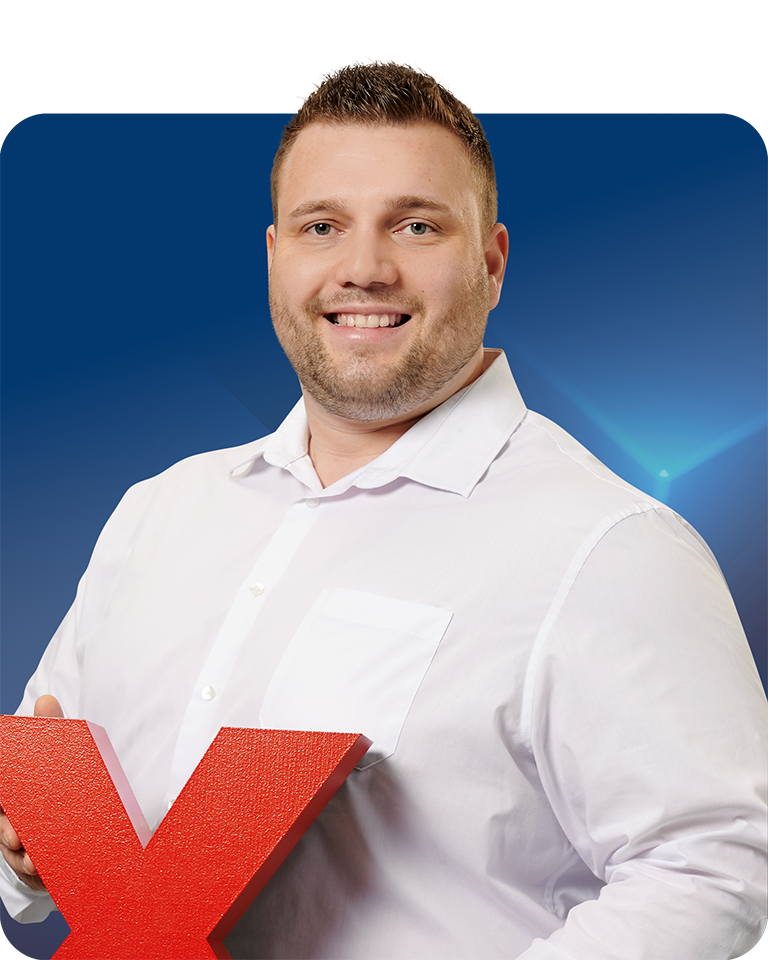
Nico Richter
Project management
Mitarbeiter und Ansprechpartner im Service Matthias Kappenhagen bei Spaleck Oberflächentechnik
Matthias Kappenhagen
Internal service, project management
Julian Krusen
Julian Krusen
Internal service
Ansprechpartner für Service Tim jokiel von Spaleck Oberflächentechnik
Tim Jokiel
Internal service
Julian Krusen
work preparation

Process engineering

Ansprechpartner und Mitarbeiter im Service Albert Tevrugt bei Spaleck Oberflächentechnik
Albert te Vrugt
Process engineering and service coordination
Mitarbeiter Timo Froehlich von Spaleck Oberflächentechnik aus dem Kundensupport
Timo Fröhlich
Application and process engineering
Ansprechpartner und Mitarbeiter für technikum Thomas Tschirpke bei Spaleck Oberflächentechnik
Thomas Tschirpke
Application and process engineering
Mitarbeiter und Ansprechpartner im Technikum Dennis Rexwinkel bei spaleck oberflächentechnik
Dennis Rexwinkel
Application and process engineering chemistry
Ansprechpartnerin Simone Bork-Tepasse bei Spaleck Oberflächentechnik im Bereich Technikum
Simone Bork-Tepasse
Laboratory and process water technology
Mitarbeiter und Ansprechpartner im Service Phillippos Nakos bei spaleck oberflächentechnik
Philippos Nakos
Environmental and process engineering
Inspektionstechnik für höchste Präzision bei Spaleck Oberflächentechnik

Inspection technology for maximum precision

The material handling is realized by our in-house machine construction in coordination with the requirements of the inspection technology.

Our proprietary software solution makes it possible to solve the inspection task in a customer-specific manner and includes the option of defect classification and statistical evaluation.

EMS sensoren Grafik von Spaleck Oberflächentechnik

EMS sensors

This measuring principle for checking the electromagnetic signature is used worldwide in vending machines in which coins are used for payment. Inductive testing of the coin or coin blank provides information about the material composition and/or coating of the coin/blank. The measured values of the individual object are compared with a material database and assessed as good or bad depending on the deviation from the references or the deviation defined as acceptable.

Wirbelstrommessung Grafik
Eddy current measurement

Eddy current measurement

Eddy current measurement is a non-destructive method for testing metallic surfaces. With the help of high-frequency electromagnetic interactions, different material hardnesses can be detected and analyzed both manually and automatically. This method plays a decisive role in quality assurance, as it measures the mechanical resistance of a material against the penetration of another body.

Randinspektion Grafik von Spaleck Oberflächentechnik
edge inspection Spaleck Oberflächentechnik

2D camera technology for edge inspection

For geometric reasons, 2D and 3D camera technology only captures the top and bottom of an object, but not the edges. A special 2D camera in combination with a ring light and a catadioptric lens is used to inspect the edge surfaces.

The following features can be checked using 2D camera technology for edge inspection:

  • Damage/scratches
  • Batch blending
  • Labeling errors
3D Kameratechnik Grafik von Spaleck Oberflächentechnik

3D camera technology

3D image capture picks up where 2D camera technology reaches its limits, particularly with regard to the depth of field of the images and the ability to recognize differences in height. To create a height profile, the component is illuminated with a line laser. The laser beam is reflected and captured by a camera. The illumination of the line laser generates many sectional images. This partial information of the component is put together by the software to form an overall object.

The following features can be checked using 3D camera technology:

  • Geometry and shape
  • Deflection of the objects
  • Damage and scratches
  • Batch blending
  • Jamming of foreign parts within e.g. drill holes
  • Labeling
  • Characteristics and structures
2D Kameratechnik bei Spaleck Oberflächentechnik
2D Camera

2D camera technology

2D image capture is based on the principle of the human eye – light falls on an object, is reflected and captured by the eye. In our systems, artificial lighting is used to generate light beams that are reflected by the object and captured by the camera. The choice of suitable lighting and camera depends on the application.
The following features can be checked using 2D camera technology:

  • Colors and color deviations
  • Stains
  • Damage and scratches
  • Batch blending
  • Surface gloss and structure
  • Burr on the profile of the objects
  • Labeling

Decision

The components are classified based on the set inspection parameters. The data can be stored and analyzed via an SQL database or transmitted to a higher-level system.

Image analysis

The image analysis is performed by algorithms that process the data generated by the image acquisition. These algorithms are integrated into the operating software, which is used to control the system and define and save the inspection criteria.

Image acquisition

Image acquisition includes the selection of lighting and camera technology. The type and sensitivity of the components are determined according to the previously defined test characteristics and tolerances.

Handling

The variety of components and the desired degree of automation make component handling crucial. Transport and precise positioning under the inspection tool are crucial for optimum inspection results.

Inspection

The same requirements apply for an optical inspection as for the human eye. It is important to describe the component, define the characteristics to be tested and specify the tolerances.